Draw Rules in Chess
Stalemate, repetition, fifty moves and more
Stalemate
The player to move has no legal move and is not in check. The game is drawn at once.
Threefold repetition
If the same position appears three times, with the same player to move and the same possible moves (castling and en passant rights included), a player can claim a draw. The moves in between do not have to be the same. After five repetitions the game is drawn automatically.
The fifty-move rule
If fifty moves by each side pass without any capture or pawn move, a player can claim a draw. After seventy-five such moves the game is drawn automatically.
Insufficient material
If neither side can possibly give checkmate, the game is a draw: king against king, king and bishop against king, king and knight against king, or kings with bishops all on squares of the same colour.
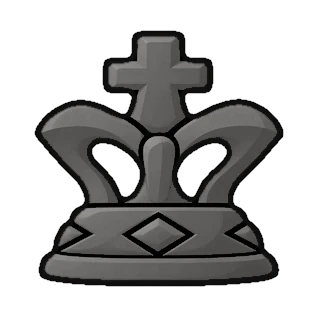
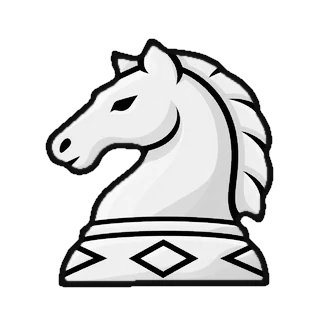
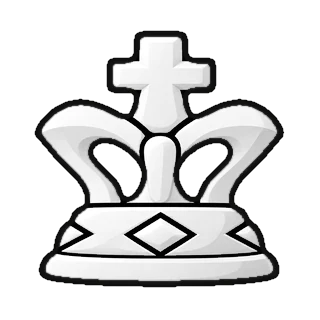
King and knight against king: checkmate is impossible, so it is a draw.
Agreement
Both players can simply agree to a draw. In many tournaments a draw can only be offered after a certain number of moves.
Time runs out
With a clock, a player whose time runs out loses, unless the opponent has no possible way to checkmate. Then it is a draw.
Practise it in BEST CHESS
Play every move yourself in the free Chess Academy (Chess Basics), solve puzzles with no daily limit, and review your games with a strong engine. Offline, no ads, no account.